
Redefining Publishing:
Practical pathways to open science
Beyond the article. Beyond the APC.
Comprehensive report · Approx. 45 min read
Download PDF | Stay in touch
PLOS has always been about a simple, radical idea: science works better when it’s open.
When PLOS was founded 25 years ago, scholarly communication stood at an inflection point. Digital technologies were reshaping how research was conducted—enabling ever-larger datasets, unlocking new analytical power, and connecting researchers across borders in ways previously unimaginable. At the same time, the shift to digital distribution created the possibility of making knowledge freely accessible to anyone with an internet connection, and to the machines that increasingly help us interpret it.
PLOS was founded on the belief that publishing can be a lever for change. Twenty-five years on, that bet has paid off. But becoming a publisher was a means to an end, not the end itself. Our founders’ goal was always to demonstrate that more open and effective models of sharing and curating knowledge were not only possible, but necessary.

Today, we find ourselves at another inflection point —and this time, the pressures are converging from multiple directions.
Research itself has never been more expansive, interconnected, computational and global. Yet this progress is shadowed by questions around integrity and reproducibility that highlight the lack of transparency of our current communication system. Artificial intelligence is accelerating this reckoning, transforming research workflows while creating an urgent need for new trust signals. The principles of open science—transparency, accessibility and broader participation—are not just relevant to these challenges. They are essential to meeting them, and offer a path toward a more inclusive and efficient global research enterprise.
And yet much of the current system remains rooted in the logic of print. Publishing workflows, outputs, and fundamental concepts have largely persisted as artifacts of an earlier era. The journal article remains the dominant unit of recognition, while important contributions—including data, code, and methods—are systematically undervalued or overlooked. This narrow focus is reinforced by both publishing practices and research evaluation systems, reflecting a status quo that the research community can no longer afford.
At the same time, the economic model that funded open access’s first two decades is changing fast. Article processing charges (APCs) have enabled open access to become mainstream and remove the barriers that subscription models imposed on access to knowledge. But they have become blockers to further transformation. They entrench the published article as the dominant unit of recognition, they raise severe concerns about escalating costs, and they are not able to sustain a communication model centered on open science. Institutions are demanding different value propositions, and read-and-publish deals have only sharpened that pressure. The question is no longer whether the APC model will transform—it’s how quickly, and whether publishers are ready.
These challenges are systemic, and addressing them requires collective action.
No single organization can redefine the structures that govern research funding, dissemination, recognition, or assessment. But each of us has a role to play in moving the system forward.
At PLOS, we started this journey by asking a fundamental question: what is a publisher actually for in this new world? Our
responsibility is not simply producing journal articles—that’s the means, not the mission. Our role is to record research contributions, enable rigorous evaluation, ensure dissemination and discovery, and guarantee preservation and robust mechanisms for correction. Publishers are not inherently neutral intermediaries in the research system. Through what we select for publication, make visible, and evaluate, publishing systems do influence research practice. If publishers have helped entrench the article as the unit of scientific currency, then we can also help dismantle that orthodoxy.
The ecosystem around us has been evolving to make this more possible.
Preprint servers, specialized repositories, journal-independent evaluation, metadata standards, and emerging automation are collectively building the infrastructure for something larger: a genuine knowledge commons. PLOS’s ambition is to be an active, collaborative contributor to that commons —not to own it or stand to one side, but to help build it. Our vision is open science for all, not open science as a product.
With generous support from the Gordon and Betty Moore Foundation and the Robert Wood Johnson Foundation, we embarked on a research and design project to explore what a new publishing model could look like—one grounded in open science principles and supported by a sustainable business framework that broadens access and participation.
This work was never only about PLOS. It’s about testing whether new models can scale, sustain, and strengthen an open research ecosystem—and sharing what we learn so that others can build on it. It’s about creating infrastructure that lets researchers share and receive recognition for the full spectrum of their contributions, not only the ones that fit neatly into article format.
PLOS has spent 25 years experimenting on the edges of what publishing could be, and many of these experiments have helped shift practice across the industry. This project is the next chapter in that history. It’s guided by the same conviction that moved our founders to act in 2001. And just as they did when they couldn’t get the industry to move, we must build something new.
That instinct—to demonstrate rather than advocate—is what drives this work.
Executive summary
This report presents key findings from PLOS’ 18-month research and design project, Redefining Publishing
This report presents findings from PLOS’ 18-month research and design project, Redefining Publishing, which explored how publishing can better support open science by moving beyond the article as the sole unit of value and beyond APC-based models toward approaches that support broader participation and recognition for a wider range of research outputs.
The project was shaped by the growing misalignment between how research is conducted and how it is communicated, evaluated, and funded. While research has become increasingly collaborative, computational, international, and infrastructure-dependent, the journal article remains the dominant unit of recognition and reward. Many contributions essential to modern research, including data, code, methods, protocols, and technical infrastructure, remain difficult to recognize, assess, and reuse within existing systems. At the same time, APC-based publishing models continue to create barriers to participation and reinforce article-centered incentives.
With support from the Gordon and Betty Moore Foundation and the Robert Wood Johnson Foundation, PLOS set out to explore
two connected questions: how publishing can better represent and connect the wider range of outputs that contribute to scientific knowledge, and how publishing models might evolve to support broader participation in open science and more sustainable approaches to research communication.
The project combined independent economic analysis, stakeholder convenings, interviews, desk research, prototype testing, and user-centered design research involving researchers, library representatives, funders, institutional leaders, infrastructure providers, and regional networks across multiple regions.
Across this work, a consistent picture emerged: meaningful progress toward open science is possible, but only through approaches that are collaborative, practical and grounded in how research is conducted today. The findings below set out what this means in practice.
Key findings

Open science creates value when reuse is practical at scale
An independent economic analysis conducted by Technopolis Group for this project found that the strongest economic and societal benefits of open science arise when research outputs are designed and supported for reuse. The clearest evidence relates to data, code, software, workflows, and training resources that reduce duplication, shorten research timelines, lower coordination costs, and enable downstream innovation.
However, openness alone is not sufficient. These benefits depend on the infrastructure, standards, metadata, incentives, and coordination needed to make reuse practical at scale.

The knowledge stack can support broader recognition of research contributions
The knowledge stack is a publishing model that connects articles and preprints with associated research outputs—data, code, methods, and materials—into a structured, open, machine-readable record that reflects the research process and credits everyone who contributed. Research outputs remain in the open repositories where they are most useful. The knowledge stack provides the structured relationships, attributions and context that make the distributed outputs visible as a coherent whole to help credit, understand, verify and reuse.
The journal article remains an important and widely understood unit of communication. However, it no longer captures the full range of contributions, relationships, and outputs that modern research depends on. Data, code, methods, protocols, and other supporting outputs often remain weakly visible or disconnected from the formal scholarly record, limiting both recognition and reuse.
The Redefining Publishing initiative consistently pointed toward an incremental and interoperable approach that builds on existing systems rather than replacing them. Research outputs remain where they are most useful and appropriately stewarded, while publishing services provide additional context, attribution, linking, and discoverability across those outputs. It confirmed the importance of making non-article contributions more visible for assessment, promotion, funding, and collaboration, particularly for early career researchers.
The research identified several priorities to guide PLOS’s development of a knowledge stack:
- Strengthen attribution for data and code so researchers can receive clearer recognition and credit for contributions that are often undervalued or overlooked within the scholarly record.
- Enhance the usability of data and code by layering additional, contextual information on the article.
- Prioritize “checkability,” meaning transparency, completeness, and clarity that allow outputs to be meaningfully examined when needed, as a practical approach to supporting evaluation, interpretation, and reuse.
- Include narrative summaries and structured technical information to support evaluation and reuse.
- Build on existing infrastructure, interoperable standards and open protocols including persistent identifiers, data citation, contributor taxonomies, and interoperable practices.

Publishers have a role in supporting transparency and quality signals for non-article outputs
The project showed that publishers can help catalyze practical progress by improving interoperability, implementing standards more consistently, strengthening connections between distributed systems, and supporting more transparent and reusable research practices.
The work also highlighted the importance of practical approaches to trust and quality control for non-article outputs. Full validation of data and code is extremely challenging at scale across all research contexts. Instead, the research pointed toward “checkability” as a more scalable starting point for supporting interpretation, evaluation, and reuse.
Better metadata, attribution, linking, and visibility can also create enabling conditions for assessment reform, but infrastructure alone cannot change the systems and incentives that continue to privilege articles and traditional metrics. The knowledge stack emerged as an important enabling condition for broader change, but not a substitute for reforms in funding, institutional evaluation, and research assessment practices.

Regional pathways and codevelopment are essential
Open science cannot be advanced through one-size-fits-all approaches. Research systems, funding structures, infrastructure maturity, and assessment environments vary significantly across regions.
New models must be developed with regional partners, in ways that support local infrastructure and interoperability while respecting digital sovereignty. This is essential to ensure that open science initiatives do not unintentionally reinforce existing inequalities or dependencies.
Meaningful progress in open science depends on approaches that are adaptable to different local contexts and developed collaboratively with regional partners.

Business model reform is an important lever for broader participation
The project highlighted that publishing business models shape who can participate in research communication, which outputs are recognized, and how open science develops over time.
There was strong support for continued exploration of approaches that move beyond per-publication charges and better align publishing support with a wider range of research activities and services. At the same time, any future models should demonstrate transparency, institutional fit, and regional adaptability.
Taken together, these findings point toward a practical direction for the next phase of work.
This phase of the project was intentionally focused on research and design rather than implementation. Its purpose was not to produce a finished solution, but to test assumptions, identify credible pathways forward, establish connections, and build understanding of where publishing can contribute meaningfully to broader system change.
For PLOS, the next phase will focus on translating these findings into a phased program of practical experimentation, including targeted pilots, continued partnership development, and further testing of both publishing capabilities and business model approaches.
No single organization can solve systemic problems alone. But this work shows that publishers can help move the system forward by testing practical models, building partnerships, and sharing what we learn openly.
This report is offered in that spirit: as a transparent account of what we learned, where we believe progress is possible, and where further collaboration is needed.
What is a
knowledge stack?
The knowledge stack is a publishing model that connects articles and preprints with associated research outputs—data, code, methods, and materials—into a structured, open, machine-readable record that reflects the research process and credits everyone who contributed.
Research outputs remain in the open repositories where they are most useful. The knowledge stack provides the structured relationships, attributions and context that make the distributed outputs visible as a coherent whole to help credit, understand, verify and reuse.

Project objectives
Momentum behind open science has grown significantly in recent years, but the movement is also facing persistent structural headwinds [1].
Previous research conducted by PLOS and others identified challenges in researcher recognition and rewards [2], research practices [3], research evaluation [4,5,6], and funding [7] that limit the adoption of open science principles. Insights from that work, combined with wider consultation, helped identify two linked areas where PLOS is usefully positioned to help catalyze change: moving beyond the article and moving beyond the APC.
This project was developed as a research and design program to test and refine that strategy.
The project set out to test two connected propositions.
-
The first was whether publishing could better recognize contributions beyond the article, in ways that more accurately reflect how research is conducted, including by making such outputs more visible, connected, and attributed to be recognized as part of the scholarly record.
-
The second was whether more inclusive and sustainable business model approaches could help broaden participation in open science.
Publishing models are not neutral in their effects.
Where value remains concentrated on the journal article, or financial sustainability depends on publication volume, these models can reinforce incentive structures that sit uneasily with the goals of open science. These are systemic challenges that are acknowledged globally, through initiatives such as the Declaration on Research Assessment (DORA) and the Coalition for Advancing Research Assessment (CoARA), the Latin American Forum on Research Assessment (FOLEC-CLACSO), and International Science Council.
Recognizing this does not place responsibility for systemic challenges on publishers alone.
But it does underscore that publishers play an active role in shaping research culture. With that role comes a responsibility to examine how publishing models influence participation, recognition, and reuse, and to contribute to approaches that better align with the principles and practices of open science.
PLOS has long sought to act on that responsibility in practice.
Since its founding, it has combined advocacy with practical experimentation and implementation, including early open access models, data sharing policies, transparent peer review, support for preprints, open science indicators, and exploration of new business models. Collaborative engagement with researchers, funders, librarians, institutional leaders, and infrastructure providers has also been a cornerstone of these efforts from the outset (see for example [8]).
This project should be understood as a continuation of that work. It builds on PLOS’s long standing efforts to advance open science through practice, collaboration, and experimentation, extending them to address these challenges at the system level. By combining research, design, and stakeholder engagement, this work has focused on identifying practical ways to make research outputs more visible, connected, and usable, with the aim that demonstrable progress through PLOS can help catalyze wider change across the research ecosystem.
In line with our mission to make science open to all.
Consultation
This research and design project was grounded in direct engagement with researchers and other stakeholders across the ecosystem. The questions at the heart of the project are systemic: how publishing can better recognize contributions beyond the article, how more inclusive business models can broaden participation in open science, and how infrastructure can support a more connected research record. These are not questions that can be answered from a single stakeholder perspective, or through desk research alone. PLOS’s readiness to move from research and design to implementation therefore depends on the quality, breadth, and depth of the input gathered through this project.
At the center of our approach were convenings that brought together people from across the scholarly communication ecosystem to interrogate assumptions, test emerging concepts, and identify where coordinated action is possible. These were not simply events or presentations. They were structured forums for exchange, challenge, and synthesis, designed to surface insights that no single stakeholder group could generate alone.
Across four such convenings, PLOS assembled institutional leaders, funders, library representatives and library consortia, researchers, regional networks, and infrastructure providers to explore their distinct but connected perspectives. Collectively these convenings reflected both breadth and progression: from the system problem to model design, to regional implementation and to infrastructure and interoperability.
This direct engagement strengthened the evidence base by helping to identify practical constraints, refine the boundaries of the work, and clarify where PLOS could add value —and where alignment with other stakeholders is needed to support wider system change.
Convenings—complemented by one-to-one consultations, in-person design sessions, and surveys—are part of the user-centered design framework. Focus groups are part of the “Commissioned additional research activities”.
To design the knowledge stack, we adopted a user-centered design framework: user research, virtual and in-person design sessions and surveys. These methods helped us move beyond broad support for open science in principle and engage with the more practical questions that shape adoption in practice: usability, trust, value, attribution, quality signals, and feasibility. For this part of the project, we engaged with a total of more than 644 researchers from around the world and consulted with additional stakeholders representing the full breadth of scholarly communication.
To explore business models, we also sought input and feedback from librarians, library consortia, funders, and institutional leaders spanning different regions. Where direct engagement surfaced questions requiring further research, we conducted additional desk research and commissioned original research activities, including interviews and focus groups. These steps were particularly important in relation to quality control for non-article outputs, where further evidence was needed to understand stakeholder expectations and practical options.
An independent economic analysis [9] conducted by Technopolis Group added a further layer of evidence. This work helped test where open science creates measurable value, which conditions enable that value, and where structural barriers and cost pressures remain. Together, these strands give us a stronger basis for moving from exploration to targeted implementation.
What we mean by convenings
Convenings are structured, facilitated, multistakeholder working sessions designed to bring together people from different parts of the scholarly communication system to interrogate assumptions, test emerging concepts, and identify where coordinated action is possible.
Each convening focused on a different theme;
Participant representation
Geographic representation
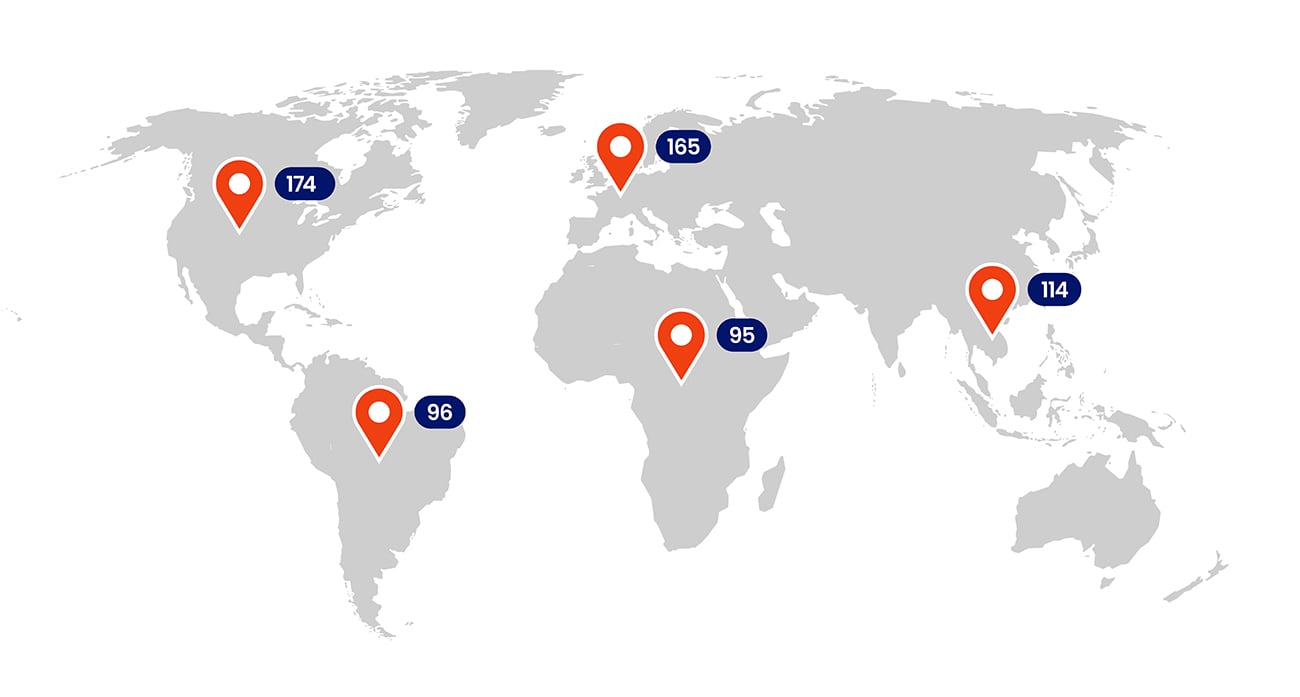
Gender mix
Note: Percentages may sum to <100% as panelists could skip this question
Key learnings
Open science delivers economic value when it enables reuse at scale
Open science is often discussed in terms of its alignment with scientific values: transparency, access, collaboration, and fairness. But values-based arguments alone are not always enough to build broader support for change across the research system. In particular, there has been less clear evidence showing how open science translates into economic value at a system level. The impacts of open science—on the economy, society, and academia — have been the subject of the major Horizon Europe funded PathOS (https://pathos-project.eu/) project, which included a systematic review of economic effects [10].
To complement the research, stakeholder consultation, and design work within our Redefining Publishing project, we commissioned an independent economic analysis, conducted by Technopolis Group. The aim was to better understand how more open and connected approaches to research translate into economic value at a system level. The analysis showed that the strongest economic and strategic case for open science lies not in openness alone, but in openness that enables practical reuse.
It found consistent evidence that open science can deliver significant economic value when research outputs—particularly data, code, software, workflows, and training resources—are designed and supported for reuse at scale.
The most direct and measurable benefits arise through efficiency gains. These include reducing duplication of effort, shortening research timelines, lowering access and coordination costs, and making it easier for researchers to build on existing work. Open infrastructures also enable wider innovation and spillover effects when resources are widely adopted, maintained, and connected across the research ecosystem.
However, these benefits do not arise from openness alone. They depend on the conditions that make reuse possible in practice, including shared infrastructure, interoperable standards, discoverability, clear documentation, aligned incentives, and sustained coordination across stakeholders.
This analysis has direct implications for how publishing is designed. It strengthens the case for moving beyond the article as the primary unit of the research record, and for giving greater visibility to the wider set of outputs that make research more usable, reusable, and trustworthy. It also reinforces that publishing reform cannot be separated from the wider systems and investments needed to support open science at scale.
Further detail on the analysis and its findings is available in a report published separately by Technopolis [9].

New business models are an important lever for enabling broader participation
PLOS has previously articulated the need for publishing models that better support open science, including in Rethinking How We Publish to Support Open Science [1]. This direction is also reflected in wider sector work on moving away from APCs, including cOAlition S’s work with partners on the How Equitable Is It? framework. Stakeholder consultation conducted through our Redefining Publishing project further supported the need for alternative business models that can enable a practical and more equitable transition to open science. While APCs played a key role in demonstrating the viability of open access, the per-published-unit model has also become the dominant mechanism for open access funding. In doing so, they have become a support for the status quo and reinforced the centrality of the article as the primary output of value.
When financial value is tied directly to publication units, it reinforces the close alignment of incentives with article production. This dynamic shifts attention away from other critical elements of research, including data and code. It also restricts publishing for researchers without access to dedicated funding.
Business model innovation is widely supported
Stakeholders across libraries, funders, and research institutions recognized the need for new approaches to funding publishing infrastructure. Across convenings, participants welcomed experimentation with alternative models and valued being part of early conversations about how business models might evolve. Support for PLOS continuing to explore alternative approaches reflected confidence in our experience of testing business model innovation, including Community Action Publishing, which challenged the idea that selective open access publishing must be high cost. These discussions also reinforced a broader PLOS view, grounded in our own experience, that financial models are not just operational mechanisms, but can themselves be a meaningful form of innovation. By reshaping how publishing infrastructure is funded, new models can influence incentives and behaviors across the system.
Business model decisions
Through this project, we have tested whether alternative business models can support a more equitable and sustainable transition to open science. The findings from our convenings, validation research, and economic analysis have reinforced that financial models are not simply operational mechanisms: they shape participation in research, influence incentives, and determine how widely the benefits of open science can be realized.
Our findings strengthen the case for continued exploration of alternative business models and emphasizes that how publishing is funded shapes who can participate, what is valued, and how widely the benefits of open science can be realized. PLOS’s experience to date, combined with the insights from this project, provides a strong foundation for the next stage of business model development.
Budget structures and procurement realities shape feasibility
Even with broad support for alternative business models, stakeholders emphasized the practical constraints created by existing funding structures. Funding for publishing services is often distributed across different budgets and stakeholders, complicating the introduction of new purchasing models. Successful approaches must work within existing institutional purchasing mechanisms, rather than requiring entirely new funding pathways.
Libraries and consortia also stressed the importance of predictable expenditure over multiple years. Institutions prefer models that allow them to budget reliably over several years, avoiding sudden cost fluctuations or uncertainty.
The knowledge stack can support broader recognition
The knowledge stack is a publishing model that connects articles and preprints with associated research outputs—data, code, methods, and materials—into a structured, open, machine-readable record that reflects the research process and credits everyone who contributed.
Research outputs remain in the open repositories where they are most useful. The knowledge stack provides the structured relationships, attributions and context that make the distributed outputs visible as a coherent whole to help credit, understand, verify and reuse.
Across the project, stakeholders consistently saw value in making non-article outputs more visible and interpretable. A more complete and transparent research record can help evaluators better understand the work that underpins formal publications. Making data and code more visible, and enabling clearer attribution to individuals, also creates the conditions for researchers to be recognized for a broader range of contributions beyond articles.
These attributes of the knowledge stack have implications for research assessment reform, but extends beyond formal assessment alone. Two related dimensions emerged in parallel. First, that the knowledge stack could help researchers and other users examine outputs more effectively for verification and reuse. Second, it could help institutions, funders, and research communities better understand research activity, collaboration, capability, and impact.
A more connected research record could help institutions and funders identify strengths across research portfolios, understand how different outputs contribute to research and innovation, and better support both exploratory and applied work. It could also improve visibility into how research contributes to policy development, commercialization, and clinical practice.
By making outputs easier to inspect, contextualize, and recognize, the knowledge stack can support both practical reuse by researchers and broader evaluation across institutions, funders, and disciplinary communities.
At the same time, stakeholders were clear that infrastructure alone will not change incentives. The knowledge stack should therefore be understood as an enabling condition for broader change, not a complete solution on its own.
A “complete record” supports assessment
Academic leaders highlighted the value of a more “complete record” of research activity beyond the article.
Participants at the first convening focused on academic incentives for open science practices noted this visibility could support institutional decision-making by helping leaders:
-
Understand their research workforce’s capabilities
-
Identify emerging collaborations
-
Assess competitiveness in funding environments
Publishers have a role in quality control for non-article outputs
Responsibility for quality control of non-article outputs is distributed across the research ecosystem. Data and code quality are often assessed within research communities and institutions, where domain expertise resides. At the same time, many of our stakeholders identified a role for publishers in supporting more consistent approaches to quality control.
There was general agreement that publishers can add value by improving the transparency of non-article outputs, verifying relationships between outputs, supporting consistent use of metadata and standards, and signalling what checks have been performed. Metadata signals were consistently identified as a key mechanism for signalling trust, with opportunities for more consistent, cross-disciplinary approaches.
Researchers and other users also indicated that some form of quality check report for data and code from PLOS would be a valuable part of the knowledge stack design [11]. But further work is needed to define what this should look like in practice and how it should interact with existing community and institutional processes.
Publishers are not neutral in this system. By making non-article outputs more transparent, interpretable, and easier to evaluate, we can support better signals of quality while recognizing that responsibility for assessment remains distributed across the research ecosystem.
Regional pathways and codevelopment are essential
One of the clearest signals from this project was that no credible open science strategy can assume that one single monolithic environment will work equally well across all contexts. Stakeholders repeatedly pointed to differences in funding structures, procurement routes, repository landscapes, policy maturity, affordability, digital sovereignty, and assessment systems. These are not secondary implementation details. They shape whether new models are workable at all.
This was especially visible in the convening held in Nairobi, Kenya, where participants emphasized that affordability, local infrastructure, and data sovereignty are central to whether open science approaches support or undermine regional research systems. Similar themes also emerged elsewhere. In Brussels, Belgium, participants highlighted regional policy variation, institutional budget constraints, and the need for models that can adapt to different economic conditions. Infrastructure providers also emphasized that interoperability must support decentralization and local control rather than depend on centralized or exclusionary approaches.
Regional pathways therefore cannot be treated as a later adaptation exercise. They shape how publishing services are funded, which infrastructures can participate, what standards are practical, and how partnerships need to be built. For PLOS, this means progress depends on codevelopment with regional partners and on approaches that work with local priorities, systems, and constraints rather than asking diverse communities to adapt to a single predefined model.
Business model design principles
Recognize a wide range of research contributions:
Models should support the dissemination and recognition of diverse research outputs, supporting open science practices that build greater transparency, reuse, and collaboration.
Transparency and predictability:
Pricing structures should be transparent and comprehensible so that stakeholders—particularly libraries, consortia, and funders—understand what services are being funded and can plan spending predictably over time.
No per-published-unit fees:
Models should avoid tying financial value to individual articles, which can increase costs for institutions, link participation directly to an author’s ability to pay, and create barriers for those without dedicated funding.
Informed by local geographic and economic situations:
Models should be informed by local context, recognizing economic conditions across regions.

Publishers have an opportunity to play a big role here. The broad adoption of [plagiarism detection] checks by publishers has significantly changed author behavior. …If publishers implement QC checks on non-article outputs, it stands to reason that authors will adjust their behaviors in a similar fashion, to make sure that they pass the checks.
Institutional leader
Context matters; countries are very different; institutions are very different. The only way an organization from the Global North can really make an impact and to be inclusive is to collaborate. …If you collaborate you ensure others can be at the table and not be on the menu.
Librarian leader

Knowledge stack design
The design of the knowledge stack was shaped through user-centered design, prototype testing, stakeholder consultation, and a set of explicit design constraints that guided the initial development of the model.
- Strengthen attribution for data and code
- Enhance the usability of data and code by layering additional, contextual information on the article
- Make trust practical through ‘checkability'
- Narrative summaries and structured technical information support evaluation and reuse
- Build on existing infrastructure and standards
- Support digital sovereignty through collaboration
What is the knowledge stack?
The knowledge stack is a publishing model that connects articles and preprints with associated research outputs—data, code, methods, and materials—into a structured, open, machine-readable record that reflects the research process and credits everyone who contributed.
Research outputs remain in the open repositories where they are most useful. The knowledge stack provides the structured relationships, attributions and context that make the distributed outputs visible as a coherent whole to help credit, understand, verify and reuse.
Where we started: Design constraints
The design of the knowledge stack was guided by a set of constraints that reflect both stakeholder priorities and PLOS’s core design commitment to working within the research ecosystem:
Recognition and attribution
Contributions need to be visible, attributable, and usable in evaluation and funding contexts.
Backward compatibility
This model builds beyond the article, not instead of it. We will continue to offer peer-reviewed articles but will rebalance the emphasis to afford more visibility and discoverability to open science outputs like data and code.
Interoperability with the existing ecosystem
Content should live where it is most usable, and the knowledge stack will integrate with open science services to strengthen the existing ecosystem.
Accessibility and inclusivity
The approach must widen access as far as possible by working across different regions, disciplines, and levels of resources, and adopting the principles of universal design. It must also support both early and later adopters, enabling participation and value at different stages of readiness and capacity.
Alignment with the research process
The model should better reflect how research is actually conducted, including iterative and distributed outputs.
Operational and economic feasibility
Any approach must be capable of working at scale within real publishing environments.
These constraints shaped the design choices described below, ensuring that the model can be adopted in practice while supporting a transition toward more open and connected forms of scholarly communication.
Translating constraints into initial design priorities
The extensive user research and prototype testing carried out in this project pointed to a clear set of initial design priorities. These reflect where there is both the strongest evidence of value and the greatest likelihood of practical adoption.
For PLOS, the most practical starting point is the article, in its preprint or peer-reviewed form, as an anchor, while expanding the research record around it. User research showed that researchers are more able to navigate and interpret non-article outputs when they are presented in relation to a familiar publication structure. Anchoring the model in the article also provides a practical pathway to begin connecting non-article outputs to existing systems of attribution and recognition.
The most immediate priorities are data and code. These emerged consistently as the most impactful non-article outputs to focus on first, given their importance for reuse, reproducibility, and growing policy relevance, as well as their potential to be more systematically attributed and recognized.

Our research also showed that while linking outputs is important, it is not enough on its own. Users need context to understand what outputs are, how they relate to the research, and whether they are worth deeper attention. That makes narrative explanation, technical data, and structured metadata key supports for interpretation. In turn, better interpretation combined with attribution to individual researchers are important to ensure meaningful recognition of those who contribute these outputs.
Across interviews, workshops, and prototype testing, a consistent pattern emerged: researchers are more likely to engage with a broader research record when outputs are presented in ways that are familiar and connected to existing workflows. Where those conditions are absent, additional outputs are often ignored, even when they are available.
Finally, the project showed that progress depends less on building entirely new systems than on using existing infrastructure and standards more effectively, while supporting more practical approaches to trust through clearer signals of quality and transparency.
These foundations help make research outputs easier to interpret, reuse, and recognize. The knowledge stack is therefore designed to extend and connect the existing research record, notreplace it wholesale.
Strengthen attribution for data and code
PLOS should prioritize stronger attribution for research data and code as the initial focus of the knowledge stack, using a deliberately scoped approach that supports practical testing and iteration.
Across convenings, interviews, and internal analysis, data and code consistently emerged as the most immediate and actionable non-article outputs for knowledge stack development.
While protocols, resources, and other research outputs and activities were also identified as valuable, stakeholders consistently highlighted data and code as both widely generated and central to enabling reuse, reproducibility, and transparency. Funders, institutional leaders, and researchers identified research data as the highest priority for early development, with code following closely.
Data sharing is already one of the most established open science practices after open access publishing, and is increasingly embedded within funder and institutional policy expectations.
At the same time, stakeholders emphasized the importance of a focused and pragmatic starting point. Rather than attempting system-wide transformation from the outset, the strongest opportunity is to strengthen recognition for sharing practices that are already relatively mature and widely valued within research workflows. More visible and consistent attribution for data and code can expand the range of contributions, and contributors receiving recognition.
These findings are based on a combination of:
-
Codesign and concept testing with researchers across career stages and geographies
-
Interviews exploring how researchers navigate and interpret research outputs
-
A survey of researchers on how they recognize contributions related to data and code [11]
-
Multistakeholder convenings (including institutional leaders, funders, researchers, and infrastructure providers)
-
Internal analysis, including PLOS Open Science Indicators (OSIs) [12] and portfolio data
-
Desk research on research workflows and assessment practices.
Findings were broadly consistent across qualitative and quantitative inputs, supporting the prioritization of data and code as an initial focus area.
As evidenced in the OSIs, the majority of articles within the PLOS portfolio are underpinned by newly generated and/or reused research data, with more than 30% linking to data in external repositories. Code is publicly shared in approximately 17% of publications, particularly within life sciences disciplines [12].
Stakeholder feedback reinforced these findings. Participants consistently pointed to data as the most immediate priority for enabling reuse and trust, with code seen as a closely related and increasingly important output. These participants frequently mentioned that data sharing is already promoted or required by many funding organizations, and that the availability of data and code is essential to reproducibility.
These findings suggest a clear and practical direction for initial development:
-
Focus initial capabilities on improving attribution and visibility for data, followed by code.
-
Consider variations between disciplines.
-
Position this work as extending the research record, rather than redefining it.
This approach supports early progress, reduces implementation complexity, and creates a practical foundation for broader knowledge stack development.
Enhance usability of data and code by layering additional, contextual information on the article
The knowledge stack should provide layered narrative, technical, and metadata context that connects data and code more meaningfully to related articles, thereby supporting interpretation, evaluation, and reuse.
The knowledge stack should initially be built around the article, using it as an easily understood and familiar entry point for accessing and interpreting a broader set of research outputs. Across our user research, convenings, and interviews the article was consistently cited as the primary way researchers organize, interpret, and communicate their work, with data, code, and other outputs typically understood in relation to an article or preprint. Prototype testing reinforced this finding: participants were better able to navigate, interpret, and assess related outputs when presented alongside a familiar article structure, but consistently struggled when that touchpoint was absent.
User research and design testing also showed that linking outputs alone is insufficient to support meaningful engagement with data and code. Participants consistently reported that repository links are difficult to interpret in isolation. Without additional context, users struggle to understand what an output is, how it relates to the broader research project, and whether it is relevant to their needs.
Layering additional context creates a practical way for users to engage more meaningfully with data and code—while also strengthening attribution and recognition—within existing workflows. It also provides a framework that can evolve over time as research practices and assessment cultures change.
Over time, the knowledge stack could expand to encompass a broader range of open science outputs and the relationships between them, including the research questions they address, the projects they belong to, and the institutional and funding contexts in which they are produced. It could also support more iterative representations of research, allowing outputs and successive versions to be shared as they become available rather than only at the point of formal publication.
How these findings were obtained:
-
Multistakeholder convenings (that included institutional leaders, funders and researchers. Unmoderated user testing, in which numerous participants across multiple regions explored prototype designs on their own and shared reactions in writing or as recorded think-aloud comments.
-
Moderated user testing, in which a moderator led participants one-on-one through a prototype, observing user behavior and asking questions as users reacted or attempted tasks, generating qualitative data on hesitations and expectations.
-
In-person, small-group, codesign sessions, in which moderators walked users through prototypes, facilitated discussions on current practices, and invited users to contribute ideas and recommendations directly into the design process.
-
On-on-one interviews with users, focused on how they find, evaluate, and make sense of research outputs (such as data, code, preprints, and articles), as well as the mental models and barriers shaping these behaviors.
Insights were consistent across qualitative and quantitative inputs, providing a strong evidence base for prioritization. Testing included participants across career stages and regions, capturing a broad view of user expectations and behaviors.
User testing consistently showed improved usability and comprehension when outputs were anchored to an article.
Interviews also confirmed the continued relevance of the narrative article as the primary unit of research communication and evaluation, even as the range of underlying, non-article research outputs has expanded.
In this context, where both users and evaluators of non-article outputs discover and comprehend these outputs primarily in the context of the research article paradigm, there is strong evidence to support anchoring our designs in relation to this paradigm.
Prototype testing showed that researchers value a layered approach, where high-level summaries provide immediate orientation, while deeper technical documentation is disclosed progressively through the reading experience, where needed. This reflects the diversity of user needs, from quick assessment to in-depth reuse. The knowledge stack can provide a “glue layer” that helps readers understand how a project’s outputs fit together.
These findings suggest a clear and practical direction for initial development:
-
Use the article (or preprint) as an initial anchor for organizing and presenting related outputs.
-
Design the knowledge stack to extend beyond the article, not replace it.
-
Use layered design to support different user needs and levels of engagement.
-
Ensure narrative and technical context are available progressively without overwhelming the user.
-
Create pathways for more modular and distributed representations of research over time.
This approach enables the knowledge stack to support both initial discovery and deeper reuse, while improving overall usability and trust.
Quantitative analysis of research published by PLOS and other publishers shows how the majority of research articles generate research data, which are increasingly shared in data repositories, in supporting information files or other online locations. A smaller but growing proportion of research articles generate code or software, which are also increasingly shared online, particularly in PLOS journals. Data and code outputs shared online and linked to articles have the potential enable greater attribution in the knowledge stack concept, supporting our intention to initially focus on these outputs in further developing new publishing capabilities. Graphs for this image were derived from the PLOS Open Science Indicators dashboard prototype [13].
You need to understand the story of the data before you can decide if it’s useful.
Researcher
The technical details matter, but only once I know why I’m looking at them.
Researcher
Make trust practical through checkability
The layered context provided by the knowledge stack should prioritize checkability as a practical and scalable approach to supporting trust in non-article outputs, focusing on transparency and the ability to meaningfully examine research data and code where needed.
Trust in non-article outputs was consistently identified as a critical requirement, but one that is difficult to achieve through traditional models of validation.
Stakeholders emphasizsed that validation of reproducibility and expert quality checks of data and code are not feasible at scale. Researchers seeking to reuse data and code consistently reported that there is no substitute for being able to inspect outputs directly. In practice, researchers and assessors often take a more pragmatic approach, judging whether an output could be meaningfully examined if needed. The availability and completeness of the research materials therefore acts as important signals of quality and trustworthiness.
Checkability refers to the potential for data and code to be checked and validated by someone else. Availability alone is not sufficient. Outputs also need to be transparent, complete and clearly documented to support understanding and reuse. Different users apply different levels of scrutiny. Some users rely on high-level signals to assess an output, while others, particularly those seeking to reuse data or code, require the ability to inspect outputs in detail [11]. This creates a need for layered signals of quality and transparency that support different levels of engagement.
Stakeholders also emphasized that incentives remain a limiting factor, particularly for research assessors. Where assessment frameworks do not recognize or value non-article outputs, assessors are unlikely to dedicate substantial time to evaluating them, even when the expertise exists. Improved publishing capabilities can support greater visibility and recognition of data and code, but they must operate alongside broader changes in research assessment and academic reward systems.
These findings were derived from:
-
Interviews with institutional leaders, researchers, and funders involved in research assessment
-
Analyses focused on research communication and quality control
-
Convening that included infrastructure providers and open science experts
-
Survey research with user panel [11]
-
Proof-of-concept experiments to automate metadata and quality checks on data and code
Insights were consistent across stakeholder groups and highlighted both practical constraints and opportunities for intervention.
The limits of existing approaches to quality assurance for non-article outputs were consistently described and were especially pronounced for research assessors. The challenge is also exacerbated for non-article outputs due to an expertise gap—a mismatch between assessors’ own domain knowledge and the specific expertise required to evaluate non-article research outputs in adjacent fields. This gap can include a lack of relevant scientific or technical knowledge, poor understanding of field-specific norms, and unfamiliarity with specific applications or programming languages.
In light of these constraints, participants emphasized that, in practice, most users cannot fully evaluate data and code in detail, and therefore rely on signals of transparency and structure to guide their decisions. A number of signals aligned with checkability found broad support in survey research. “Quality Check Report” concept, which encompassed signals related to completeness, transparency, and documentation. Further, the About/README findings and format information align broadly with the concepts of completeness and clarity embodied in checkability.
We asked participants:
(1) How useful are each of the following sections in helping you evaluate the [data/code]? (Percentages below show the proportion of participants who selected “very useful” or “extremely useful.”)
(2) To what extent do each of these sections increase your trust in the [data/code]? (Percentages show the proportion of participants who answered “greatly increases” or “extremely increases.”)
| Sections | Data | Code | ||
|
Evaluation |
Trust |
Evaluation |
Trust |
|
|
Quality Check Report |
73% |
79% |
69% |
67% |
|
About section, README excerpt |
67% |
45% |
58% |
49% |
|
File format, size, and date last updated |
78% |
44% |
56% |
46% |
|
Metrics from repository |
38% |
39% |
43% |
43% |
|
Contributor names |
64% |
53% |
42% |
39% |
|
Institutions |
35% |
32% |
28% |
30% |
|
Funders |
21% |
14% |
14% |
11% |
These findings suggest several key design priorities:
-
Prioritize transparency and quality signalling rather than full validation.
-
Outputs need clearly contextual information to support understanding and reuse.
-
Make quality checks and review processes visible and interpretable.
-
Support consistent expectations for documentation and metadata.
-
Enable different levels of engagement, from high-level signals to detailed inspection.
-
Provide clear indicators of what has been checked and how.
-
Test and refine scalable approaches, including automated checks, before implementation.
What is checkability?
Checkability is the extent to which a research output, such as data or code, is transparent, complete, and well-documented enough to be meaningfully examined if needed. It does not guarantee correctness or reproducibility. Instead, it provides the conditions for verification and a practical foundation for trust at scale.
If authors share their data via a repository with clear metadata, that already tells you something about its quality.
Researcher funder
There comes a point where you have to be able to check things yourself if needed.
Researcher
Narrative summaries and structured technical information support evaluation and reuse
The knowledge stack should include both narrative summaries and structured technical documentation, including README files, because both are needed to support understanding, evaluation, and reuse of non-article outputs.
Across user testing and interviews, participants consistently reported that non-article outputs are often shared without sufficient context or documentation. Researchers viewed both narrative summaries and README files as valuable when deciding whether to engage with an output.
Contributor-written narrative summaries were seen as especially important because they provide the contributors own perspective on the output. Their voice helps explain why a dataset, code object, or other research output is relevant, how it connects to the wider research project, and what a reader should understand before deciding whether to engage further.
README-style documentation was identified as critical for providing the detail required to work with data and code, including information on structure, dependencies, and workflows.
Participants indicated that both forms of context are needed: the narrative layer supports understanding and decision-making, while the technical layer enables closer inspection and reuse. Gaps in both were frequently identified as barriers to reuse. Participants also identified potential roles for automated approaches in supporting the creation and validation of narrative and technical documentation.
These findings are based on:
-
User research and testing of knowledge stack prototypes (see [11] for survey data)
-
Codesign sessions with researchers
-
Analyses involving researchers, institutional leaders, and funders.
Participants highlighted the importance of narrative summaries in helping them understand the relevance and meaning of an output, alongside technical documentation required for reuse. User research and surveys reinforced that both forms of context are necessary for outputs to be usable in practice, and that gaps in documentation are a common barrier.
Participants described the need for a “narrative layer” to make sense of individual outputs and how they connect within a research project. This narrative was often seen as more immediately useful than technical metadata alone when assessing relevance.
At the same time, technical documentation, such as READMEs, was viewed as essential for reuse, particularly for more experienced users (see [11] for survey data). Technical documentation is also useful in the context of research assessment, albeit for the purpose of providing checkability signals related to transparency and completeness rather than detailed information to enable reuse. Research indicated that both elements are necessary and serve different purposes.
-
Include both narrative summaries and technical documentation for non-article outputs.
-
Ensure narrative summaries clearly communicate purpose, context, and relevance.
-
Ensure that technical documentation, including READMEs, meets reader expectations.
-
Design for both initial understanding and deeper inspection.
-
Improve usability and reuse by addressing gaps in context and documentation.
Build on existing infrastructure and standards
The knowledge stack is designed to support a coherent scholarly record across a distributed ecosystem. It must enable durable identification of research outputs, contributors, institutions, funders, and versions as well as support machine-readable metadata, typed relationships, and system-to-system notifications. These capabilities must be implemented in lightweight, standards-based ways to enable adoption and interoperabilty across different regions, disciplines, and resource contexts. Since no single protocol or service is able to meet these needs, and since relying on a single option would undermine the distributed nature of the system, PLOS will pursue a modular approach composed of complementary patterns and standards rather than a single centralized solution.
Across convenings, stakeholder engagement, and infrastructure analysis, there was strong consensus that many of the core components needed to support a more connected research record already exist.
Repositories, persistent identifiers, metadata standards, contributor taxonomies, and exchange protocols provide a robust foundation for linking and describing research outputs. However, these elements are not yet implemented consistently at scale or connected effectively in practice.
Fragmented workflows, uneven metadata quality, and variable adoption of standards were frequently cited as key barriers to making research outputs more visible, interpretable, and reusable.
The challenge is not simply how to connect systems. It is how to identify research objects durably, describe how and why they are related, expose attribution and provenance, signal updates over time, and support evaluation and reuse across a distributed ecosystem.
A knowledge stack is therefore not just a collection of links. It is a structured set of identified research objects connected through typed relationships and assertions. Those relationships may describe contribution, derivation, versioning, evidentiary support, review, quality checks, or other forms of provenance and evaluation. In practical terms, the technical task is to represent these relationships in ways that are machine-readable, durable, and reusable across systems.
From the outset, PLOS recognized that the design constraints guiding our research on the knowledge stack needed to extend to the technical integrations underpinning its connection to the wider ecosystem. These constraints matter because PLOS is not trying to centralize research outputs inside a new closed system. We aim to contribute to and strengthen the knowledge commons by building on open standards and interoperable patterns that allow outputs to remain where they are most useful, while still participating in a coherent, machine-readable scholarly record.
This approach was consistently supported through convenings, stakeholder engagement, and analysis of existing technology standards.
As a result, the technical integrations proposed focus on the adoption of standards, taxonomies and existing persistent identifiers; and avoiding bespoke integrations for common interoperability use cases. In doing so we aim to lower the technical and financial barriers to participation. The digital connections envisioned for the knowledge stack are lightweight and generalized, making them accessible across different regions, disciplines, and levels of resourcing, and they reduce the possibility of individual institutions acting as gatekeepers.
These findings are based on:
-
Multistakeholder convenings that included infrastructure providers, funders, librarians, and researchers
-
Dedicated discussions on publishing infrastructure and interoperability
-
Interviews and testing that explored how researchers interact with distributed outputs
-
Internal mapping of existing infrastructure, standards, and initiatives
-
Desk research
Insights were consistent across regions and stakeholder groups.
Stakeholders consistently identified that the core infrastructure needed to support open science—repositories, persistent identifiers, standards, and contributor taxonomies—is already in place, but not yet working together effectively.
Convening discussions highlighted fragmentation in workflows, inconsistent metadata practices, and uneven adoption of standards as key barriers to reuse, interoperability, and discovery. Participants also emphasized the importance of supporting decentralized and regional infrastructure, particularly in low-and-middle-income contexts, and the role of standardization in achieving these aims.
Follow-up interviews with funders and institutional leaders emphasized that focusing on interoperability with existing solutions will also guard against the divergent evolution of similar solutions among different stakeholder and disciplinary communities, making it possible for different groups to focus on distinct problems and solutions in a mutually supportive manner.
User and stakeholder feedback reinforced that improvements in coordination, metadata quality, and system interoperability represent immediate opportunities for progress without requiring new infrastructure to be built. For example, user research on credit for research data and code suggest that the CRediT taxonomy, routinely applied to articles, could potentially be applied to shared data and code, as well (see [11] for survey data).
These findings confirmed initial design principles and suggest several key design priorities:
-
Position the knowledge stack as an integration layer that connects articles and other research outputs to existing repositories and infrastructure.
-
Prioritize interoperability through the consistent use of persistent identifiers (such as those provided by ORCID and the Research Organization Registry), shared taxonomies (such as the Contributor Roles Taxonomy, commonly known as CRediT), open protocols (such as COAR Notify), and metadata discovery conventions (such as FAIR Signposting).
-
Improve the quality and completeness of metadata so that research outputs can be discovered, attributed, and reused more effectively across systems.
-
Represent connections between research outputs through structured assertions and relationships, so that outputs can be linked, understood, and evaluated without requiring centralization.
This approach enables the knowledge stack to add value by improving how existing components work together, rather than duplicating or replacing them. PLOS can play an active role in strengthening coordination across the ecosystem, reinforcing a distributed and collaborative model of scholarly communication.
What is CRediT?
CRediT supports attribution for data and code, but requires greater flexibility. We found that researchers see the CRediT taxonomy as a useful foundation for recognizing contributions to data and code. In surveys and interviews (n=154), most participants felt contributor roles broadly reflect how work is distributed across research teams.
However, participants also identified limitations. While CRediT captures high-level contribution types, it often lacks the granularity needed to describe specific tasks within data and code workflows. Researchers expressed a clear preference for more flexible approaches that allow additional detail, reflecting the complexity and collaborative nature of these contributions (see [11] for survey data).
The data might be there, but without context you don’t know what you’re looking at or why it matters. The explanation is just as important as the files.
Researcher
Support digital sovereignty through collaboration
The knowledge stack should support digital sovereignty by enabling research outputs to remain distributed, locally hosted, and governed in ways that reflect regional and national contexts, while still participating in a shared global system. This is achieved through the use of common identifiers, metadata, and open protocols rather than through centralized infrastructure.
Across our consultations with researchers, institutional leaders, funders, infrastructure providers, and regional networks, participants consistently emphasized the importance of avoiding new forms of centralization. Many noted that local and regional repositories, journals, and infrastructure already exist, but are often poorly represented in global discovery systems, limiting the visibility of research from many parts of the world.
Concerns about data ownership and control were particularly strong in discussions with stakeholders in low- and middle-income countries. There is a clear need to ensure that research outputs can remain within locally governed systems and reflect national priorities, rather than being absorbed into large, centralized platforms.
Participants also highlighted that technical standards, certification requirements, and integration expectations can create unintended barriers to participation, particularly for lower-resourced organizations. If not carefully designed, these can reinforce existing inequalities in visibility and influence.
PLOS can play a role in supporting this model by adopting and promoting interoperable standards, demonstrating inclusive implementation approaches, and helping ensure that locally governed research outputs are visible and usable within the wider knowledge commons.
These findings are based on:
-
Convenings with institutional leaders, funders, infrastructure providers, and regional networks
-
Enable research outputs to remain within local or regional infrastructures
-
Improve visibility and discoverability of locally hosted outputs through better metadata and linking
-
Minimize barriers for example those created by rigid certification or exclusionary requirements
-
Work in partnership with local and global initiatives rather than duplicating or replacing them
Looking forward
This phase of work began with a question: how can publishing better support open science in today’s research process? Eighteen months of research, design, and multi-stakeholder engagement have produced a clear path - not a finished solution, but a credible and practical direction for change.
For PLOS, that direction is the knowledge stack: a more complete and connected research record that extends beyond the article to include data, code, methods, and other contributions that have long been undervalued or invisible. This is not a wholesale reimagining of scholarly communication. It is a practical bridge—one that works with existing norms, infrastructure, and workflows while creating better conditions for research outputs to be visible, verifiable, and reusable, and for the people who create them to receive recognition they currently don’t.
Across convenings, interviews, and codesign activities, a consistent picture emerged: there is genuine demand for the knowledge stack, and practical opportunity to deliver it. Researchers want better linking and context to support reuse. Contributors want recognition for outputs that matter but go uncounted. Institutions and funders see value in a more complete and honest representation of research activity. The concept resonated not because it is radical, but because it is needed.
What realizing this vision requires
A connected knowledge stack depends on more than publishing infrastructure. It requires interoperability across systems, alignment around shared standards, and sustained collaboration among publishers, repositories, funders, institutions, and reform initiatives. No single organization can define or deliver this alone, and PLOS is not trying to. What we can do, this project has reinforced, is play a catalytic role: convening diverse partners, testing approaches in practice, and contributing openly to a shared knowledge commons—the distributed, interoperable infrastructure on which equitable and durable open science depends.
Realizing this vision also requires confronting the limits of current publishing economics. Subscription costs for paywalled research outputs still consume the majority of available budgets. Article processing charges have enabled open access to scale, but they entrench the article as the primary unit of value and create structural barriers to participation that work against the goals of open science. A more open, connected, and participatory research system will not be possible without corresponding change to how publishing is funded - models that reflect the full spectrum of research outputs and services, and that distribute costs more appropriately across the global research community.
Where PLOS is headed
This is not a vision PLOS holds at arm’s length. We are building toward it through concrete commitments.
PLOS is taking a deliberate approach to developing and contributing to open, shared infrastructure as part of its role in the open science ecosystem. This means not only using open source software, but also actively contributing to it, developing code and shared components, and working with others to shape common solutions. Our transition to Janeway for submissions is one example of this approach. Rather than acting as a passive user of a platform, we are investing engineering effort upstream, contributing code and ideas, and helping to shape the direction of the project alongside a wider community.
This approach requires a different way of working. It means engaging with shared standards, working in the open, and accepting the constraints and discipline that come with collaborative development. It also changes the nature of control and influence. We do not own the infrastructure, but we help shape it. The result is infrastructure that is more interoperable, more resilient, and more aligned with the needs of the broader ecosystem.
More fundamentally, this reflects a view of publishing infrastructure as a shared good. By contributing to open tools and common platforms, PLOS can help strengthen the knowledge commons while reducing duplication and fragmentation across the system.
On business models, we have been experimenting since 2020 with approaches designed to move beyond per-article charges to reflect the true cost of publication and distribute that cost more fairly. This work has confirmed that the need for this kind of innovation is real, and that further experimentation is essential. It will be central to the next phase of our work.
Initial implementation of new publishing capabilities will focus on data and code, the most practical and policy-relevant starting points for PLOS, building on existing author relationships and journal workflows. We will develop approaches to attribution, contextual linking, and checkability: enabling research outputs to be examined and assessed across the ecosystem. And we will share what we learn, so that others can build on it.
A future worth building toward
Publishing is not neutral. Through what is made visible, connected, and valued, publishing models actively influence research practice. PLOS was founded on the belief that publishing can be a lever for change. This phase of work has sharpened our understanding of where to apply it next.
The path ahead is not PLOS’s to walk alone. It runs through partnerships, shared infrastructure, collective commitments, and the slow work of shifting incentives. But this project has shown that meaningful progress is possible, and that the direction is clear. This report is offered as a contribution to that effort—transparent about what we’ve learned, clear about the direction, and committed to building it together.
A future in which science is open to all, for all.
Acknowledgments
Funding for PLOS’s 18-month research and design project, Redefining Publishing was received from the Gordon and Betty Moore Foundation, through Grant GBMF12797; the Robert Wood Johnson Foundation, Grant ID: 81910. The funders had no role in study design, analysis, or preparation of this report. The views expressed here do not necessarily reflect the views of the foundations. We appreciate the support and guidance of our program officers, Adam Jones, Nancy Barrand, and Paul Tarini, in helping us achieve the project’s goals and objectives.
We would like to thank Cristina Rosemberg, Aphra Murray, Alexander Holmes, and Shrishti Kajaria from Technopolis Group for their work on our economic analysis. We would also like to thank the stakeholders who participated in our co-design sessions at the Massachusetts Institute of Technology (MIT) and Morgan State University, and our stakeholders who participated in convenings in Washington, DC, Brussels and Nairobi. We sincerely appreciate them and all others who have answered our call for interviews and informal advice, contributing their inputs to this research project. Their active participation was instrumental to the project’s success and offers a path for the knowledge stack design to be owned by and represent the view of a diverse group of stakeholders. We also thank the many hundreds of active researchers on our user panel who have participated in research and design activities for the knowledge stack concept.
Matt Thompson has been a wonderful collaborator and skillful moderator of our stakeholder convenings.
We would like to thank Rob Johnson and Research Consulting for their contribution to the research, interviews, and focus groups conducted to address our questions on quality control for data and code, which led to the emerging concept of “checkability”. We also appreciate Mr. Johnson’s constructive contribution to our approach on the economic analysis.
To support transparency, and in line with PLOS’ approach to research on open science and scholarly communication (https://plos.org/research-by-plos/), where possible, we have made data and materials from research into the knowledge stack design available openly [11]. We welcome questions about our research and findings (community@plos.org).
Lastly, a big thank you for the immense contributions of all PLOS staff and consultants, past and present, who ensured that the activities of this research and design project were implemented as planned, and resulted in the development of a clear path toward implementation of a more equitable and sustainable publishing model.
Expand references
|
1. Kiermer V, Mudditt A, O’Connor N (2025) Rethinking how we publish to support open science. Learned Publishing 38: e2006. https://doi.org/10.1002/leap.2006 |
8. Cadwallader L, Papin JA, Mac Gabhann F, Kirk R (2021) Collaborating with our community to increase code sharing. PLOS Computational Biology 17(3): e1008867. https://doi.org/10.1371/journal.pcbi.1008867 |
|
2. Grattarola F, Shmagun H, Erdmann C, Cambon-Thomsen A, Thomsen M, Kim J, et al. (2024) Gaps between Open Science activities and actual recognition systems: Insights from an international survey. PLOS ONE 19(12): e0315632. https://doi.org/10.1371/journal.pone.0315632 |
9. Rosemberg C, Murray A, Holmes A, Kajaria S (2026) The economic benefits of open science. Independent report commissioned by PLOS. Technopolis Group, Amsterdam. https://technopolis-group.com/report/the |
|
3. Serghiou S, Contopoulos-Ioannidis DG, Boyack KW, Riedel N, Wallach JD, Ioannidis JPA (2021) Assessment of transparency indicators across the biomedical literature: How open is open? PLOS Biology 19(3): e3001107. |
10. Tsipouri L, Liarti S, Vignetti S, Grapengiesser IM (2025) The economic impact of open science: A scoping review. Royal Society Open Science 12(9): 250754. https://doi.org/10.1098/rsos.250754 |
|
4. Morales E, McKiernan EC, Niles MT, Schimanski L, Alperin JP (2021) How faculty define quality, prestige, and impact of academic journals. PLOS ONE 16(10): e0257340. https://doi.org/10.1371/journal.pone.0257340 |
11. Public Library of Science (2026) PLOS Redefining Publishing: 2026 public report additional resources [dataset]. Figshare. https://doi.org/10.6084/m9.figshare.32090119 |
|
5. Harney J, Mayville L, Hrynaszkiewicz I, Kiermer V. Researchers’ Goals When Assessing Credibility and Impact in Committees and in Their Own Work. OSF Preprints; 2021. doi:10.31219/osf.io/ryds4 |
12. Public Library of Science (2025) PLOS Open Science Indicators (Version 10) [dataset]. Figshare. https://doi.org/10.6084/m9.figshare.21687686 |
|
6. Hrynaszkiewicz I, Novich B, Harney J, Gray R, Kiermer V (2026) A survey of how biology researchers assess credibility when serving on grant and hiring committees. PeerJ 14: e20502. https://doi.org/10.7717/peerj.20502 |
13. Public Library of Science. PLOS Open Science Indicators Dashboard Prototype [Internet]. Google Looker Studio; 2026 Jan 21 [accessed 14 May 2026]. Available from: https://lookerstudio.google.com/reporting/2b34c431 |
|
7. Kaliuzhna N, Aydin Z, Müller P, Hauschke C (2025) Hurdles to open access publishing faced by authors: A scoping literature review from 2004 to 2023. Royal Society Open Science 12(8): 250257. https://doi.org/10.1098/rsos.250257 |
|
Cite this report Public Library of Science (2026) Redefining Publishing: Practical pathways to open science [Report]. Figshare. https://doi.org/10.6084/m9.figshare.32287383
We believe in a better future where science is open to all, for all
Stay connected
Download a copy for future reference or sharing.
Sign up to receive updates as we progress the work to redefine publishing.
/Screenshot%202026-05-07%20150126.jpg "Image")

/social%20icons/Bluesky-logo-rework-38x38.png?width=38&height=38&name=Bluesky-logo-rework-38x38.png "Bluesky-logo-rework-38x38")
/social%20icons/Facebook-logo-rework-38x38.png?width=38&height=38&name=Facebook-logo-rework-38x38.png "Facebook-logo-rework-38x38")
/social%20icons/LinkedIn-logo-rework-38x38.png?width=38&height=38&name=LinkedIn-logo-rework-38x38.png "LinkedIn-logo-rework-38x38")
PLOS is a nonprofit 501(c)(3) corporation,
#C2354500, and is based in California, US